Cool-Season Vegetables for Raised Bed Gardens
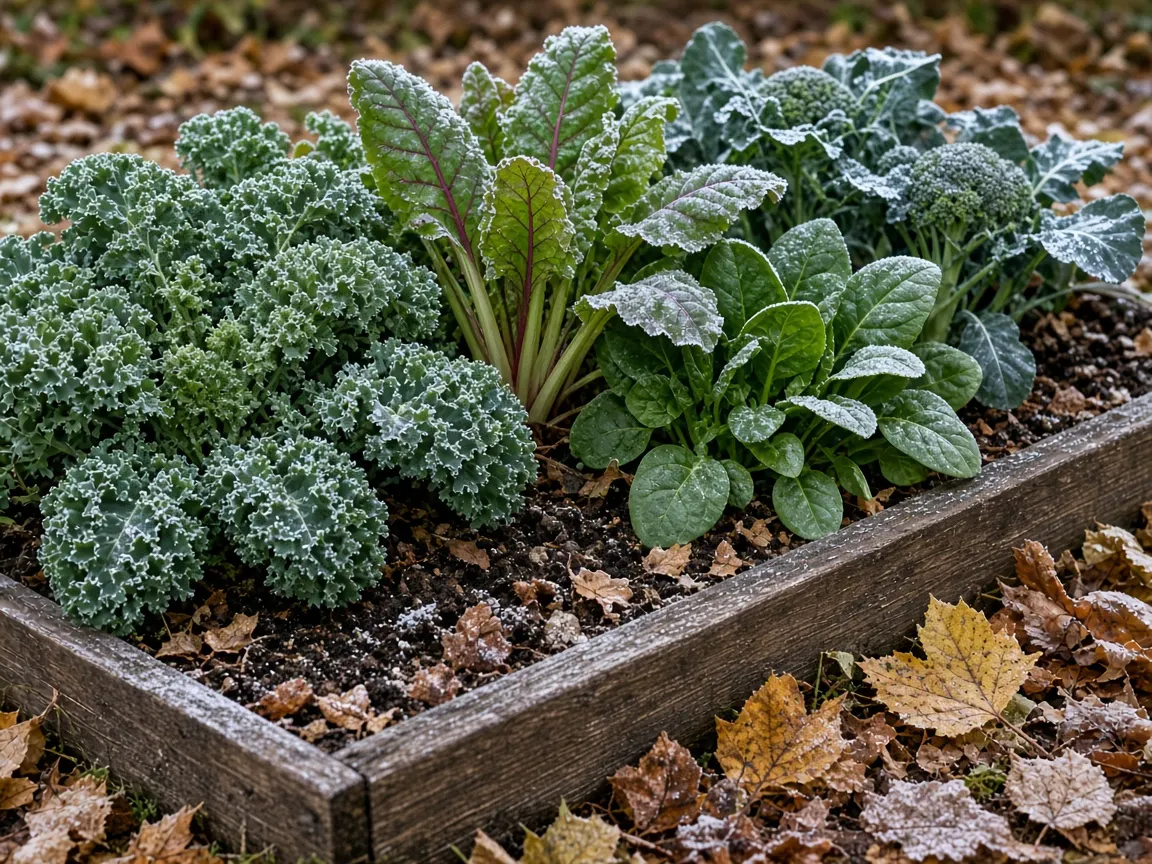
Cool-season vegetables grow best when temperatures are mild, and many tolerate frost. They make it possible to harvest from a raised bed in spring, fall and, in milder regions, through winter. Knowing which are hardy and which are only semi-hardy is the key to timing them well.
What makes a crop "cool-season"?
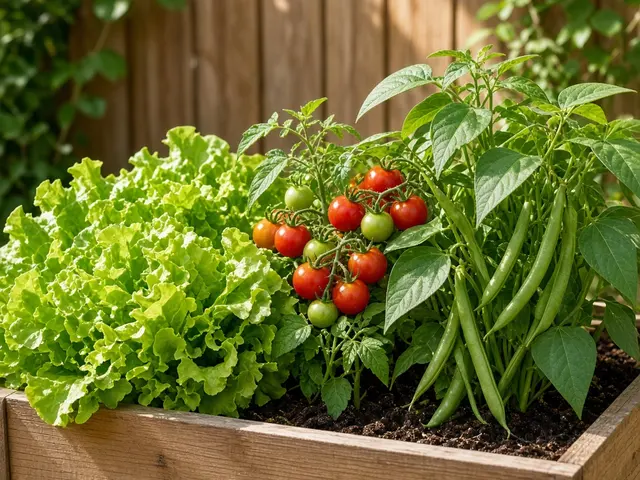
Cool-season crops germinate in cooler soil, grow well in mild air temperatures and often lose quality in heat. Lettuce and spinach bolt as days lengthen and warm; broccoli forms loose, bitter heads in heat; peas stop flowering. Warm-season crops such as tomatoes, peppers, squash and beans are the opposite and are damaged by frost.
Frost tolerance groups
Extension sources commonly sort cool-season crops into hardy and semi-hardy groups. Exact tolerance depends on variety, plant size and how gradually cold arrives, so treat this as a guide:
| Group | Examples | General tolerance |
|---|---|---|
| Hardy | Kale, collards, cabbage, broccoli, Brussels sprouts, spinach, turnips, radishes, peas, onions | Tolerate frosts and some hard freezes once established |
| Semi-hardy | Lettuce, Swiss chard, beets, carrots, cauliflower, Chinese cabbage | Tolerate light frost; damaged by hard freezes |
Spring planting
Many hardy crops can be planted several weeks before your average last spring frost, as soon as the soil can be worked. Raised beds help here because they drain and warm earlier than ground soil. Semi-hardy crops go in a little later. Transplants of broccoli and cabbage should be hardened off first.
The exact dates differ dramatically. In northern states, spring cool-season planting typically falls in April or May. In much of the Deep South, gardeners plant greens in late winter. Use your state Extension calendar rather than a national one; see regional seed-starting calendars.
Fall planting
Fall is often the better season for cool-season crops because plants mature into cooling, not warming, weather, and light frost can sweeten kale and collards. To time fall crops, extension programs such as Nebraska Extension describe working backward from your average first fall frost:
- Find your average first fall frost date.
- Subtract the crop's days to maturity from the seed packet.
- Subtract about 10 to 14 more days, because growth slows as days shorten.
In colder regions this often means sowing in midsummer, July to early August. In warmer southern regions, fall planting generally runs later, from late summer into fall. University of Minnesota and Iowa State Extension both publish fall planting guides for northern gardeners.
Growing tips in raised beds
- Shade cloth in late summer helps lettuce and spinach germinate when soil is still warm.
- Keep seedbeds moist; small seeds near the surface dry quickly in raised beds.
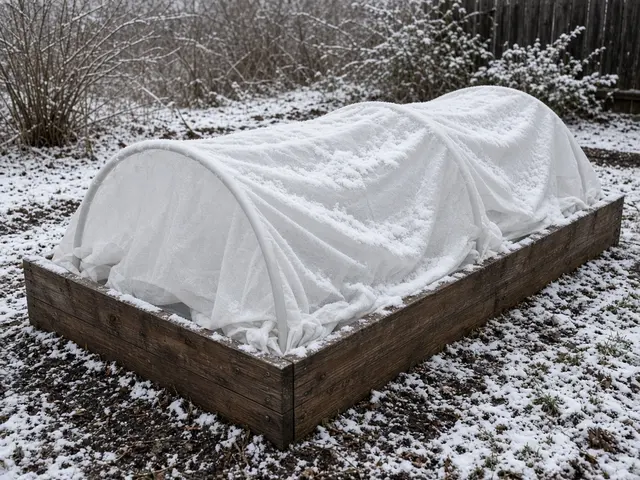
- Row cover extends the season by a few degrees and keeps out insects such as cabbage worms. See responsible pest prevention.
- Succession sow fast crops like lettuce and radishes every two to three weeks.
Harvest notes
Harvest outer leaves of kale, chard and collards to keep plants producing. Pick broccoli when the head is tight; side shoots often follow. Root crops such as carrots can stay in the bed into early winter in many regions if protected with mulch.
Planning to grow through the cold months? Read winter garden planning for US regions.
Sources and further reading
- Planting Vegetables in Midsummer for Fall Harvest - University of Minnesota Extension
- Fall Planting of Vegetables - Iowa State University Extension
- Planting for Fall and Winter Produce - Nebraska Extension in Lancaster County
- Planting Vegetable Transplants - University of Maryland Extension
Gardening conditions vary by location. For recommendations specific to your area, contact your state's land-grant university Cooperative Extension office. Read our editorial policy.