Beginner-Friendly Vegetables to Grow in Raised Beds
The best first crops are ones that germinate reliably, tolerate small mistakes and give you something to harvest early. Below are dependable choices grouped by season, because the right crop at the wrong time is the most common reason beginner gardens disappoint.
Before you plant
Cool-season crops grow best in the mild weather of spring and fall. Warm-season crops need warm soil and are damaged by frost. Your local frost dates, available through your state's Cooperative Extension service, decide when each group goes in.
Cool-season crops for beginners
Leaf lettuce
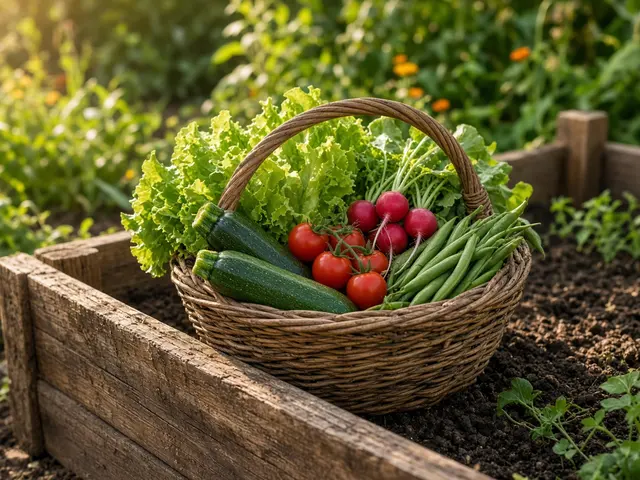
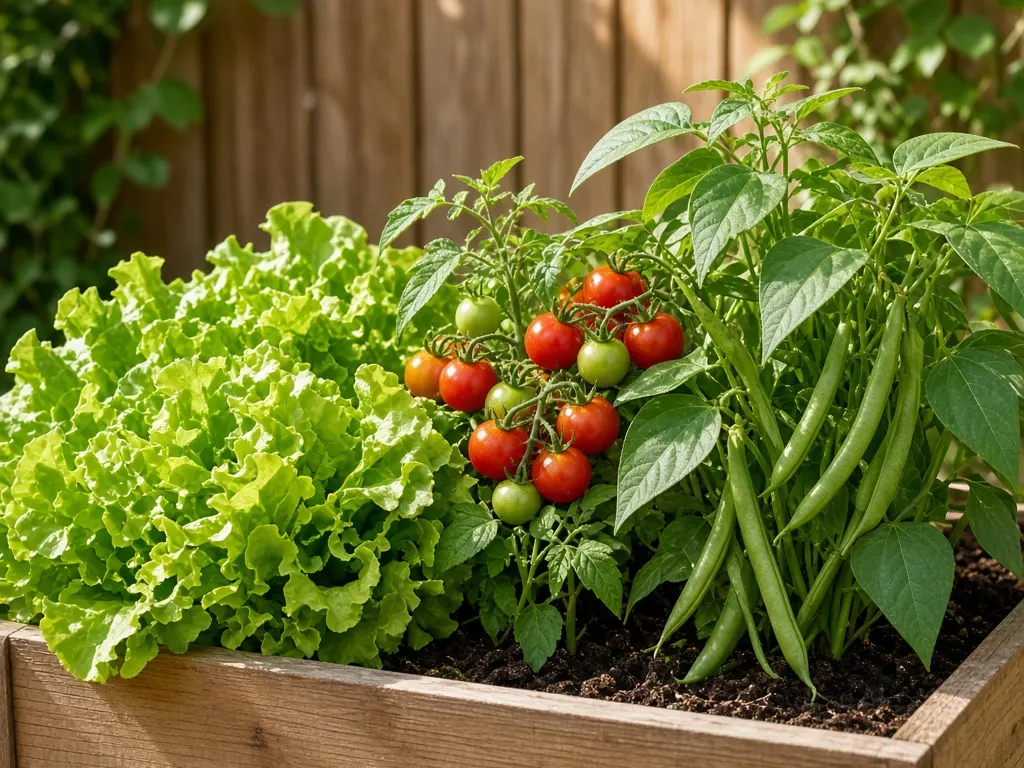
Leaf lettuce grows quickly from seed and can be harvested a few leaves at a time. Sow small amounts every couple of weeks for a steady supply. It tends to bolt (flower and turn bitter) as days grow long and hot, so in warm regions grow it in fall, winter or early spring.
Radishes
Among the fastest vegetables from seed, many varieties are ready in about a month. They are a good way to see results quickly. Thin seedlings so roots have room to swell.
Spinach
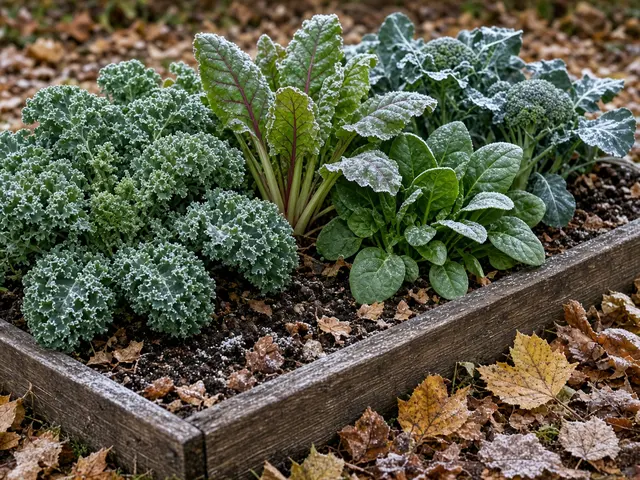
Spinach prefers cool weather and is quite frost tolerant. Sow early in spring or in late summer for fall harvest.
Peas
Snap and snow peas are sown directly in early spring and need a trellis. They stop producing when hot weather arrives.
Kale and Swiss chard
Both produce over a long period if you harvest outer leaves. Kale handles frost well; chard tolerates both cool and warmer weather.
Warm-season crops for beginners
Bush beans
Bush beans grow quickly from seed sown after the soil has warmed and do not need a trellis. They are a dependable first crop in most US regions.
Zucchini and summer squash
One or two plants are usually plenty; they are large, so give each plant about a square yard or let it spill over the bed edge. Harvest fruits small and often.
Cherry tomatoes
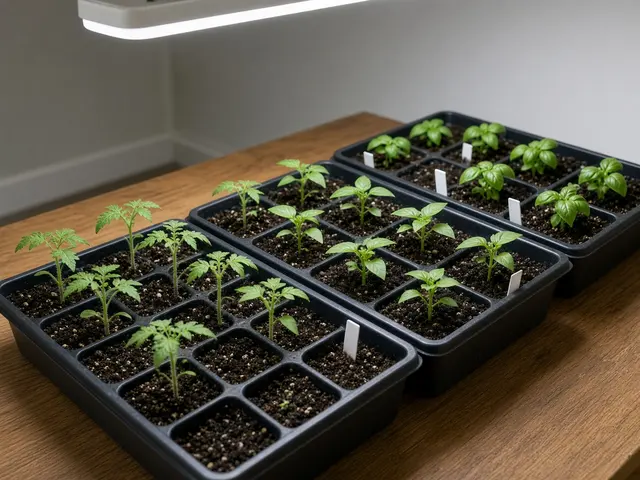
Cherry types tend to ripen earlier than large slicing tomatoes and are often forgiving. Most home gardeners plant transplants rather than seed. Stake or cage them, and plant on the north side of the bed so they do not shade other crops.
Peppers
Peppers like heat and steady moisture. Plant transplants after nights stay reliably warm.
Cucumbers
Grow cucumbers up a trellis to save space. They need warm soil and consistent watering.
Easy herbs to tuck in
Basil (warm-season), parsley, chives, dill and cilantro (cool-season) fit into bed corners and edges. Mint spreads aggressively, so grow it in its own pot. See growing herbs indoors for year-round options.
A sample first-year 4 by 8 foot bed
This layout is one example, not a rule. Adjust plant numbers to seed packet spacing.
- North end: 2 staked cherry tomatoes and a short trellis of cucumbers.
- Middle: 2 pepper plants and a block of bush beans.
- South end: lettuce, spinach and radishes in spring, followed by basil once warm.
- Edges: parsley and chives.
Crops to try in year two
Some crops are rewarding but less forgiving: head lettuce, cauliflower (sensitive to temperature swings), melons (need space and a long warm season), onions from seed and sweet corn (needs a block of plants for pollination). Wait until you know your garden's conditions.
Seeds or transplants?
Direct-sow fast, large-seeded crops such as beans, peas, radishes, squash and cucumbers. Buy or raise transplants of slow crops such as tomatoes and peppers. Our guide to starting vegetable seeds indoors explains how.
For a deeper look at the spring and fall crops, read cool-season vegetables for raised beds.
Sources and further reading
- Vegetable Gardening - Oregon State University Extension
- Growing Vegetables in Containers - University of Wisconsin-Madison Extension
- Planting Vegetable Transplants - University of Maryland Extension
- Find Cooperative Extension in Your State - Extension Foundation
Gardening conditions vary by location. For recommendations specific to your area, contact your state's land-grant university Cooperative Extension office. Read our editorial policy.