Choosing Safe and Durable Materials for Raised Garden Beds
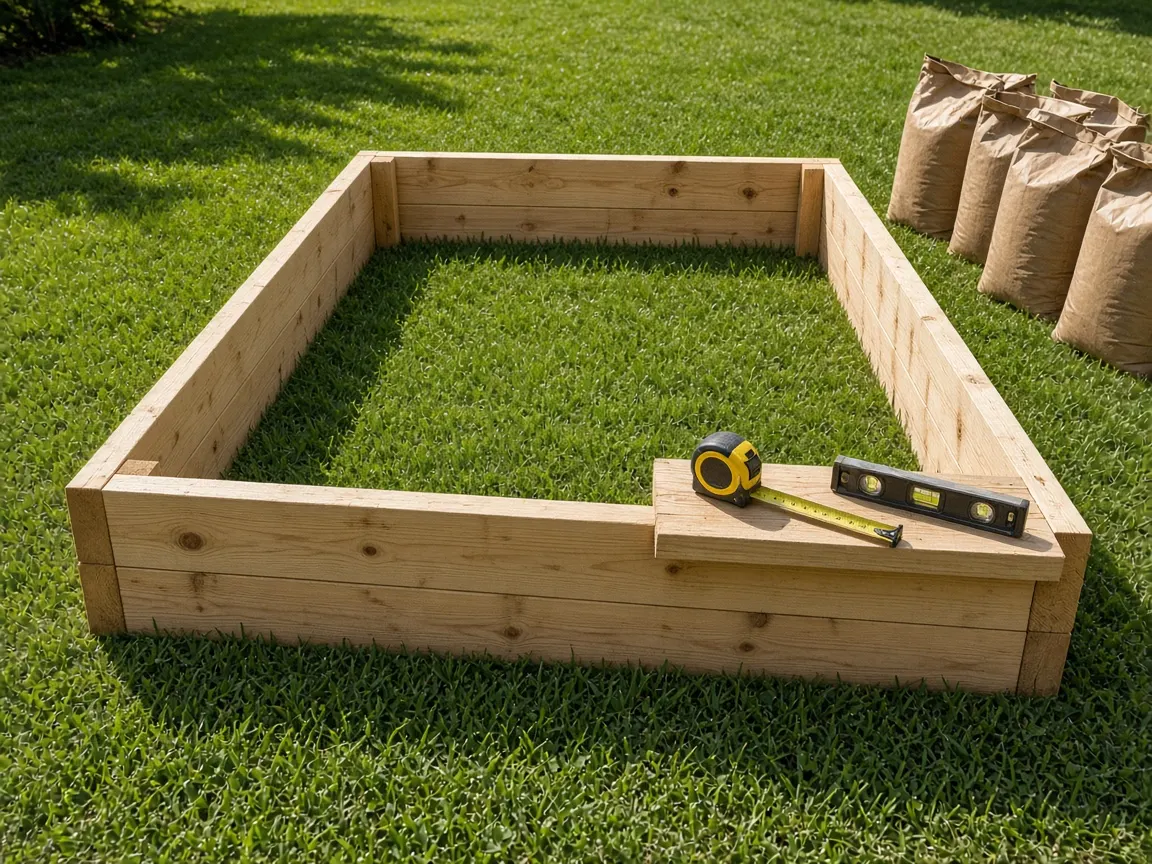
The frame of a raised bed holds soil in place for years, and for a vegetable garden it should not add anything unwanted to that soil. The good news is that current materials sold for residential use are far safer than the treated lumber of a few decades ago. This guide compares the common options on durability, cost and food-garden suitability.
Key takeaways
- Naturally decay-resistant woods such as cedar and redwood last longer than untreated pine or fir.
- Arsenic-based CCA lumber was phased out of residential use in the US at the end of 2003; avoid reclaimed lumber that may contain it.
- Modern copper-based treated lumber (such as MCA) is widely sold. Research cited by University of Maryland Extension found soil copper increased only within about an inch of the board.
- Avoid creosote-treated railroad ties and unknown chemically treated pallet wood.
Untreated wood
Pine, spruce and fir are the least expensive lumber. They are safe for food gardens but begin to rot in contact with moist soil, often within a few years depending on climate. They are a reasonable choice if you want to test gardening before investing more.
Decay-resistant species include western red cedar, redwood, black locust, white oak and Osage orange. University of Maryland Extension, citing the USDA Forest Products Laboratory, lists several of these as decay resistant. Cedar is the most widely available in garden centers and typically lasts considerably longer than pine, though it costs more. Lifespan varies with climate, soil moisture and board thickness.
Pressure-treated lumber
Older pressure-treated wood used chromated copper arsenate (CCA). Its use in residential lumber such as decks and garden structures ended in the United States at the end of 2003. Avoid salvaged boards of unknown age, which might be CCA-treated.
Today's residential treated lumber typically uses copper-based preservatives such as micronized copper azole (MCA) or alkaline copper quaternary (ACQ). University of Maryland Extension describes MCA as considered low in toxicity and summarizes Oregon State University research finding that treated lumber raised soil copper only within about 1 inch of the bed edge, with no increase found in the plants grown. If you would still prefer to limit contact, Extension sources suggest:
- Painting the outside of the boards with exterior latex paint or using a semi-transparent oil-based stain.
- Lining the inside walls with heavy plastic, leaving the bottom open so water drains.
- Choosing a different material.
For health questions about wood preservatives, the National Pesticide Information Center is a neutral, science-based resource.
Metal beds
Galvanized steel and coated steel kits are popular because they last a long time and assemble quickly. Look for rolled or capped top edges to avoid sharp corners. In very hot, sunny climates, metal walls can warm the outer few inches of soil; many gardeners find this manageable with good watering and mulch, and lighter-colored coatings absorb less heat.
Concrete block, brick and stone
Masonry is extremely durable and gives a permanent look. Concrete blocks are inexpensive and their hollow cores can hold small herbs. Older cinder blocks made with fly ash occasionally raise questions; if you are unsure of a block's origin, newer concrete blocks from a building supplier are the simplest choice. Dry-stacked stone works well for low beds; taller walls need proper construction.
Composite and recycled plastic lumber
Composite boards resist rot and insects and do not need painting. They usually cost more and can flex over long spans, so add corner posts and mid-span supports.
Materials to avoid
- Creosote-treated railroad ties.
- Pentachlorophenol (penta) treated wood.
- Reclaimed treated lumber of unknown age.
- Pallets marked "MB" (methyl bromide treated) or with no treatment stamp. Heat-treated pallets are stamped "HT".
- Old painted wood that may contain lead paint.
- Tires, which are not recommended by many Extension programs for food crops.
Comparison at a glance
| Material | Relative cost | Durability | Notes |
|---|---|---|---|
| Untreated pine/fir | Low | Short | Safe, but rots relatively quickly |
| Cedar/redwood | Medium-high | Good | Most common choice for long-lasting wood beds |
| Modern treated lumber | Low-medium | Long | Can paint or line if you prefer less contact |
| Galvanized steel | Medium | Long | Choose rolled edges |
| Block/stone | Varies | Very long | Heavy; permanent |
| Composite | High | Long | Needs extra bracing |
Construction tips
- Use exterior-rated screws; they hold better than nails as wood swells and shrinks.
- Add a corner post inside each corner for strength.
- Brace long sides at the midpoint on beds over about 8 feet.
- Thicker boards last longer than thin ones of the same species.
Once your frame is built, see bed dimensions to confirm depth and soil mixes for filling it.
Sources and further reading
- The Safety of Materials Used for Building Raised Beds - University of Maryland Extension
- Growing Vegetables in Raised Beds - University of Maryland Extension
- Building Raised Beds - UF/IFAS Gardening Solutions
- Starting Raised Beds - UConn Home & Garden Education Center
- National Pesticide Information Center (Oregon State University / US EPA)
Gardening conditions vary by location. For recommendations specific to your area, contact your state's land-grant university Cooperative Extension office. Read our editorial policy.