Compost for Raised Beds: Benefits and Practical Uses
Compost is the single most useful amendment for raised beds. It improves soil structure, helps sandy soil hold water, loosens heavy soil, and feeds the organisms that keep soil healthy. Using it well is mostly a matter of quantity and quality.
Key takeaways
- For a new bed, Oregon State University Extension describes working several inches of compost into the soil.
- For established beds, a top-up of roughly 1/4 to 1 inch per year is a common Extension recommendation.
- Compost is an amendment, not a complete fertilizer, and not a substitute for soil.
- Home composting turns yard and kitchen scraps into a free soil amendment.
What compost does
- Structure: organic matter binds fine particles into crumbs, creating pore space for air and water.
- Water holding: it helps sandy and fast-draining soils hold moisture longer.
- Nutrients: it releases nutrients slowly as it continues to decompose, although amounts vary by feedstock.
- Soil life: it feeds earthworms, fungi and bacteria that cycle nutrients.
How much to use
New beds
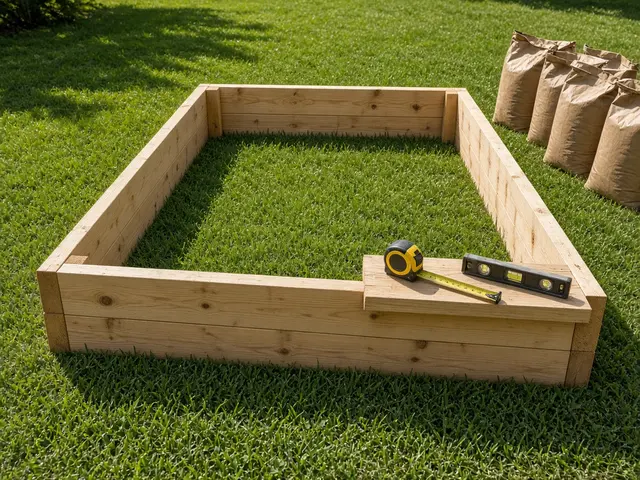
When filling a new bed, compost is usually blended with topsoil rather than used alone. Oregon State University Extension's guide How to Use Compost in Gardens and Landscapes describes incorporating a few inches of compost into vegetable garden soil when establishing a bed. University of Illinois Extension's example raised bed mix uses about 40% compost by volume. See raised bed soil mixes for full recipes.
Established beds
Each year, spread a modest layer, roughly 1/4 to 1 inch, over the surface in fall or spring and lightly work it in or leave it as a top dressing. More is not always better. Very heavy annual applications, especially of manure-based compost, can build up phosphorus and salts. A soil test every few years helps you adjust.
Choosing compost
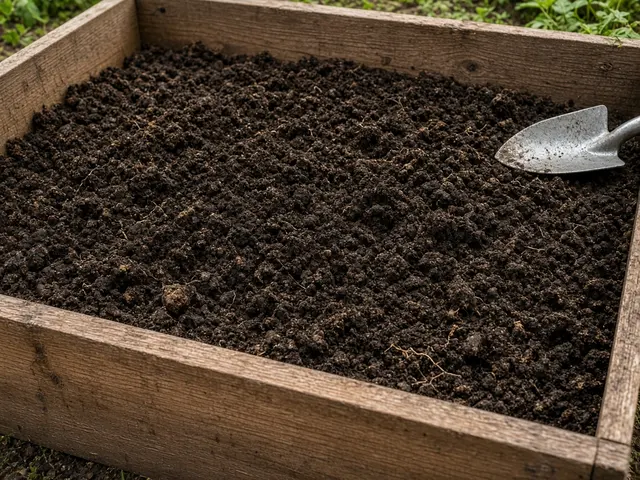
Good finished compost is dark, crumbly and smells earthy. Signs of compost that is not finished include a sour or ammonia smell, heat, or many recognizable pieces of food or leaves. Unfinished compost can temporarily tie up nitrogen.
When buying in bulk, ask what feedstocks were used (yard trimmings, food scraps, manure, biosolids). Some municipal composts are made from yard waste and are an affordable option. Note that a few persistent herbicides used on hay and pasture can survive composting and damage sensitive crops such as tomatoes and beans; reputable suppliers can tell you about their sources.
Making compost at home
The US EPA's Composting at Home guide describes the basic recipe: a mix of "browns" (dry leaves, straw, shredded cardboard) and "greens" (vegetable scraps, coffee grounds, fresh grass clippings), kept about as moist as a wrung-out sponge.
- Include: fruit and vegetable scraps, coffee grounds and filters, eggshells, leaves, plant trimmings, untreated grass clippings, shredded paper.
- Leave out: meat, fish, dairy, fats and oils, pet waste, diseased plants, and yard trimmings treated with pesticides.
Turning the pile adds air and speeds things up. Depending on size, mix and management, compost may take a few months to more than a year to finish.
Compost versus mulch
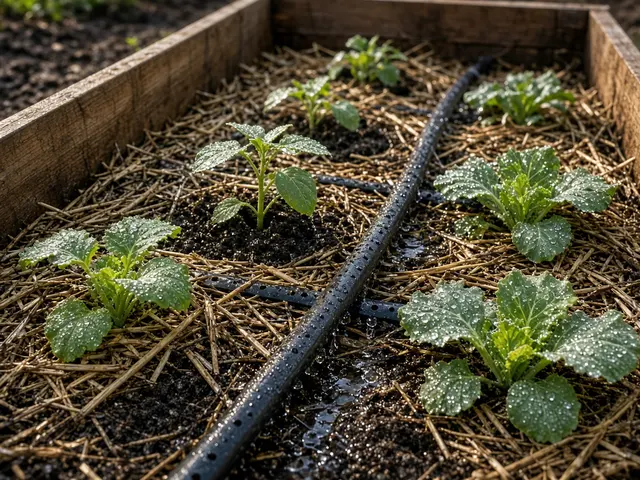
Compost can be used as a thin mulch, but coarse materials such as straw or shredded leaves are usually better at blocking weeds and slowing evaporation. Read using mulch in vegetable gardens to compare.
Compost and fertilizer
Compost alone may not supply all the nitrogen heavy feeders such as corn, tomatoes or squash need through a season. A soil test will indicate whether added fertilizer is needed. Follow the label rate for any fertilizer, and remember that more fertilizer does not always mean more vegetables.
Sources and further reading
- How to Use Compost in Gardens and Landscapes (EM 9308) - Oregon State University Extension
- Composting at Home - US EPA
- FS1328: Soil for Raised Beds - Rutgers NJAES
- Vegetable Gardens: Soil Management and Fertilization - Colorado State University Extension
Gardening conditions vary by location. For recommendations specific to your area, contact your state's land-grant university Cooperative Extension office. Read our editorial policy.